Coral Frags & Colonies for Reef Tanks
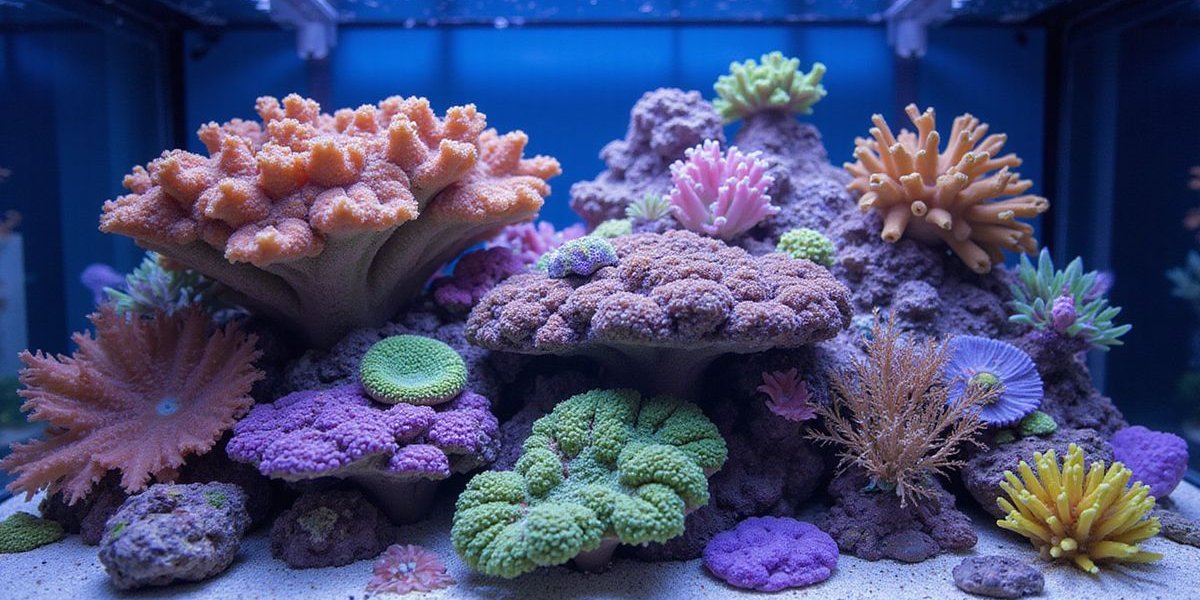
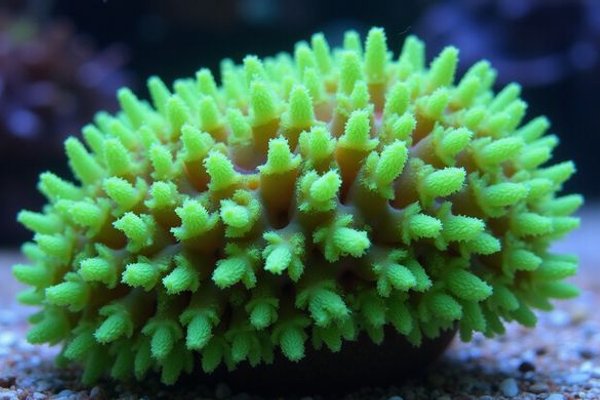
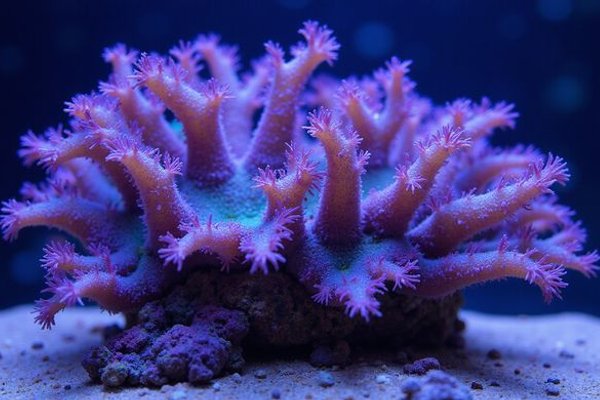
Our coral selection ranges from beginner-friendly soft corals to challenging SPS specimens for experienced reefers. Many of our corals are fragged in-house from our own mother colonies, meaning they're already acclimated to aquarium conditions. Whether you're starting your first reef or adding to an established system, we can help you choose corals that will thrive under your specific lighting and flow conditions.
Mother colonies available at higher prices
What We Offer
Build Your Dream Reef
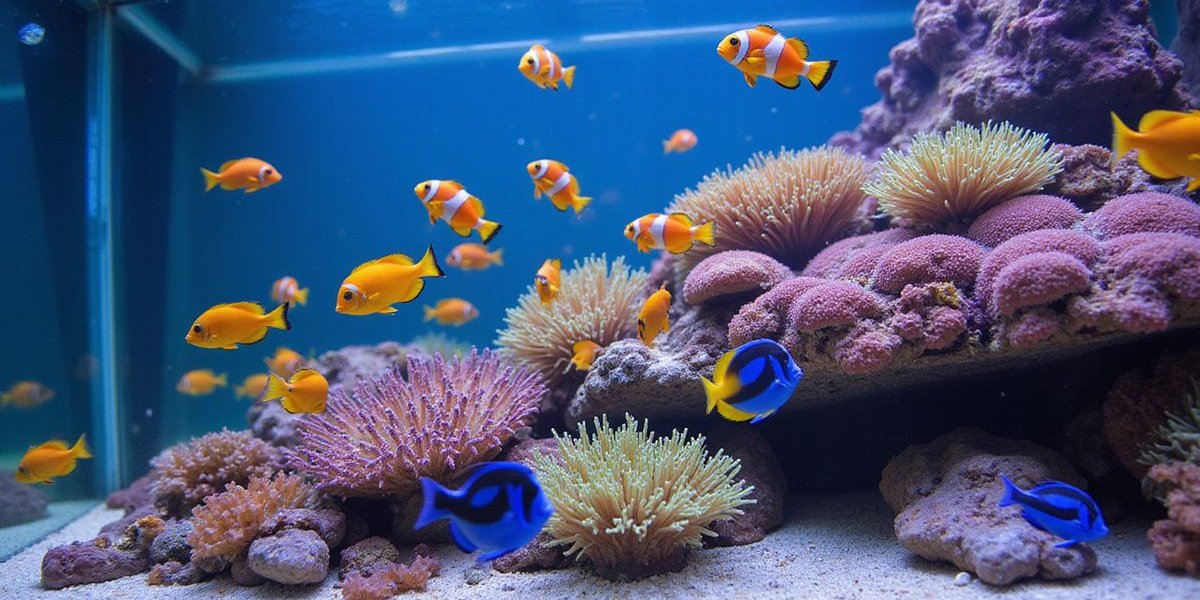
There’s nothing quite like a thriving coral reef in your living room. The colors, movement, and diversity of a healthy reef tank create a living work of art. At Gulf Coast Aquatics, we’re passionate about helping you build that dream.
Our coral selection is different from what you’ll find at big box stores. Many of our pieces are fragged right here from our own mother colonies - corals that have been thriving in aquarium conditions for years. This means better survival rates and faster growth in your tank.
Our Coral Selection
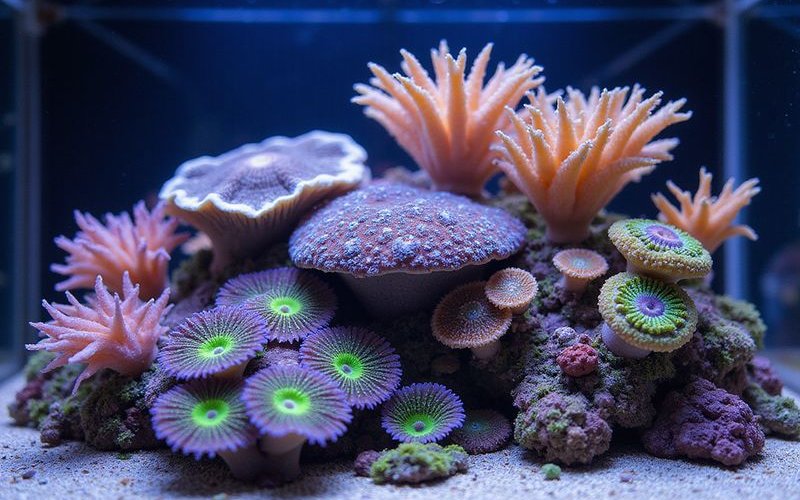
Soft Corals - The perfect starting point for new reefers. Mushrooms, zoanthids, leather corals, and more. Forgiving and colorful.
LPS Corals - Large Polyp Stony corals like torches, hammers, and frogspawn. More demanding than softies but incredibly rewarding.
SPS Corals - Small Polyp Stony corals for experienced reefers. Acropora, montipora, and other challenging species.
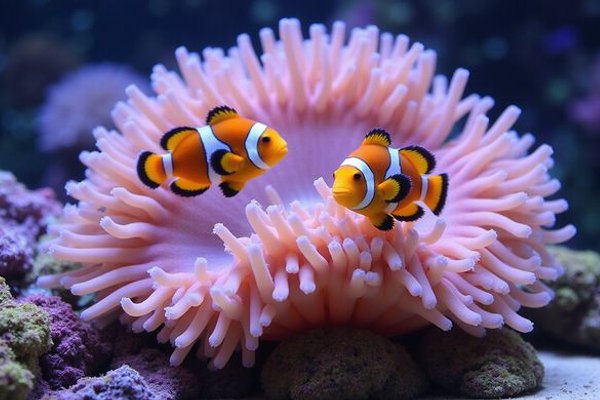
Anemones - Host anemones for clownfish, including bubble tip anemones in various color morphs.
Coral Care Basics
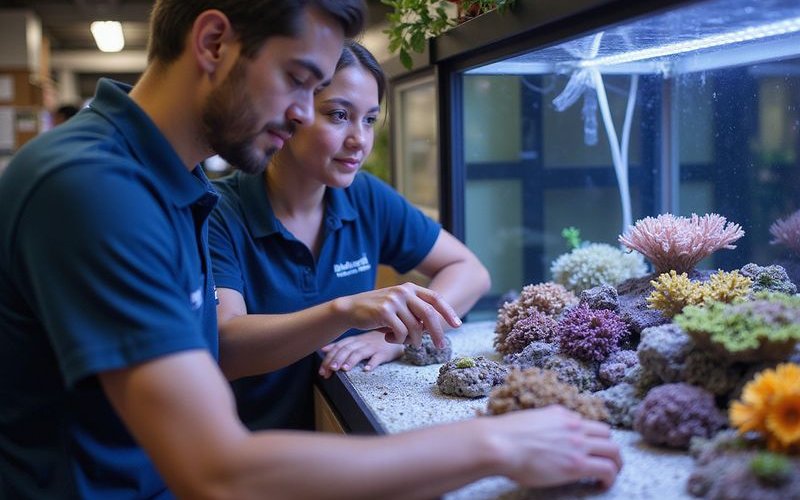
Keeping corals healthy comes down to a few key factors:
-
Stable Water Parameters - Consistency matters more than perfection. Avoid swings in alkalinity, calcium, and magnesium.
-
Appropriate Lighting - Match your corals to your lights, not the other way around. We’ll help you choose wisely.
-
Good Flow - Corals need water movement to bring food and remove waste. Different corals prefer different flow levels.
-
Clean Water - Low nitrates and phosphates help corals thrive. A good skimmer and regular water changes go a long way.
-
Patience - Corals grow slowly. Give them time to acclimate before expecting rapid growth.
Ready to Start Reefing?
Whether you’re adding your first coral or hunting for a rare SPS specimen, we’re here to help. Come visit our coral section and see what’s available. We get new arrivals regularly and frag from our colonies often, so there’s always something new to discover.
How It Works
Assess Your Tank
We'll ask about your lighting, flow, and water parameters
Match to Your Experience
We'll recommend corals appropriate for your skill level
Placement Planning
We'll help you plan where each coral should go
Dip & Acclimate
Optional coral dip service to reduce pest introduction
Gallery
Why Choose Us
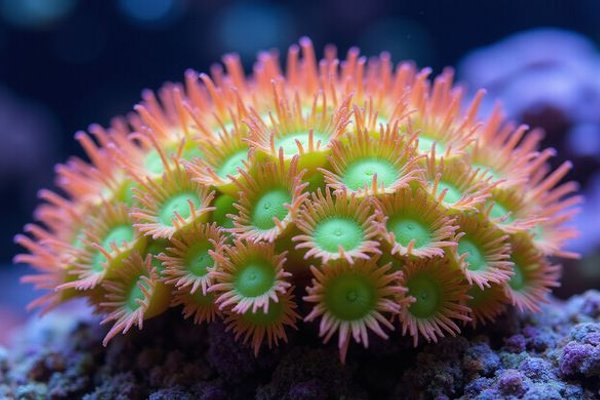
Fragged In-House
Our corals come from our own mother colonies - already aquarium-adapted
Know Your Lighting
We'll match corals to your specific light spectrum and intensity
Pest Prevention
Coral dip service available to minimize unwanted hitchhikers
Growth Guarantee
Healthy corals that are ready to grow in your system
What Our Customers Say
"The zoanthids I bought here have already spread to three times their original size. Love that they're fragged from their own colonies."
"I was nervous about my first coral purchase, but the staff walked me through everything. Six months later, my tank is thriving!"
Frequently Asked Questions
What corals are best for beginners?
Do I need special lighting for corals?
What's the difference between LPS and SPS?
Why do you dip corals?
How do I acclimate new corals?
Ready to Get Started?
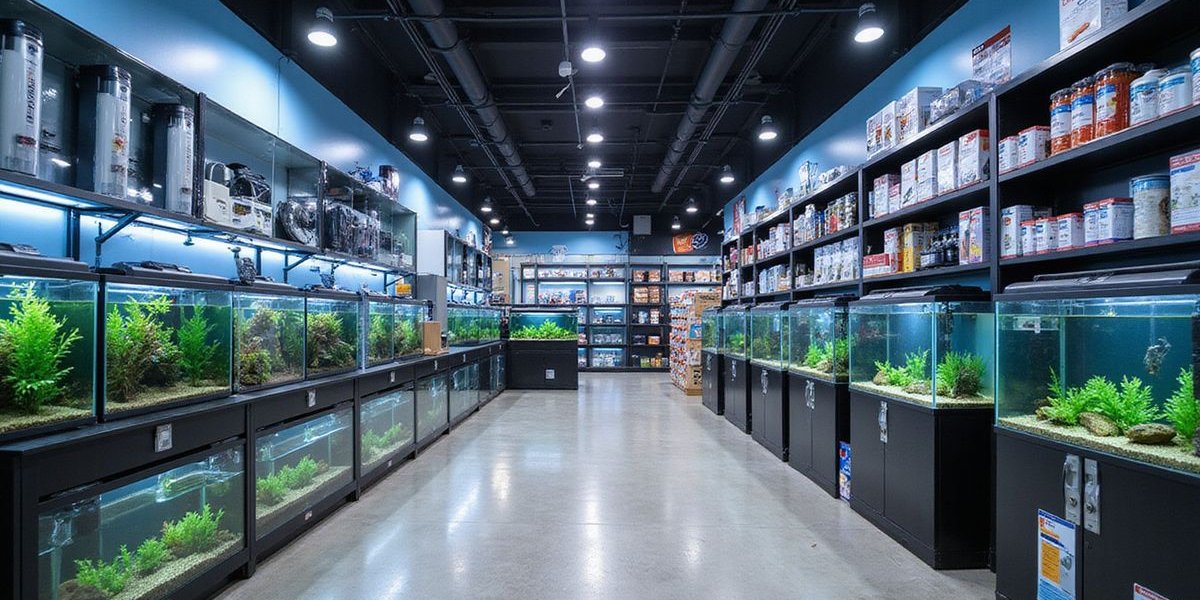
Visit our store in Sarasota and let our experts help you find exactly what you need.
Contact Us