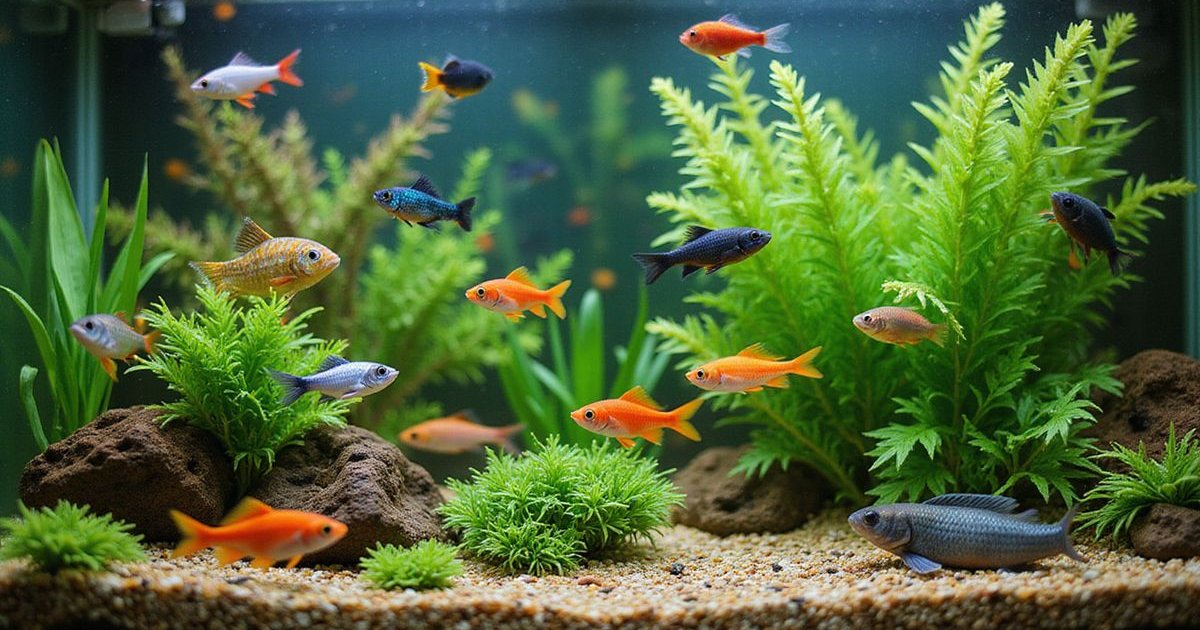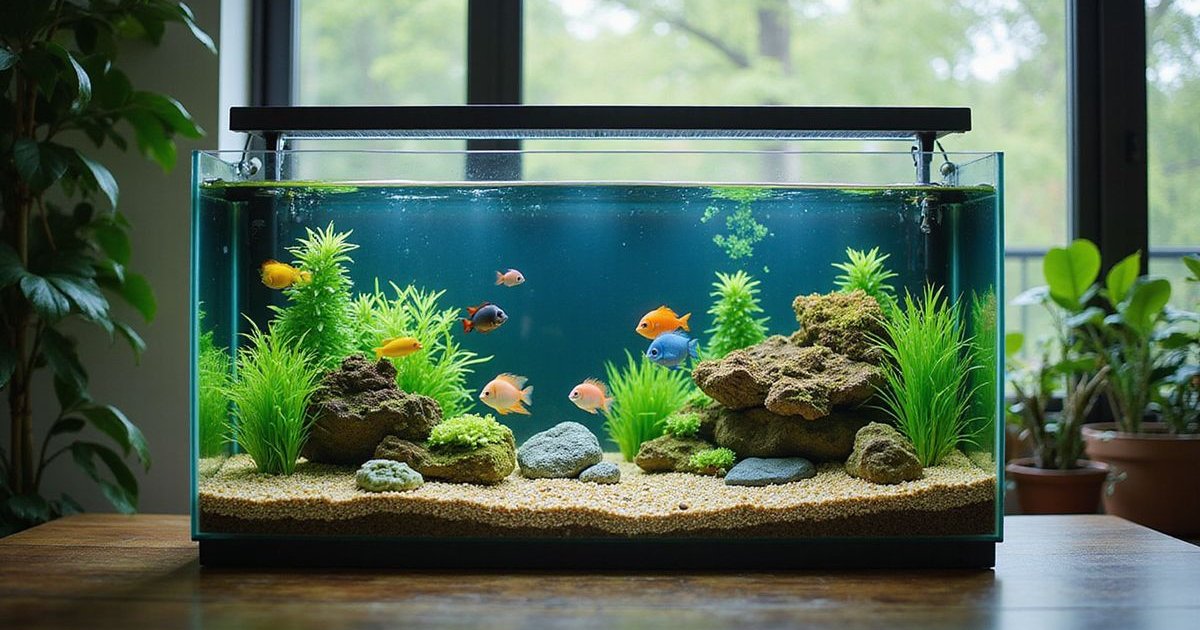
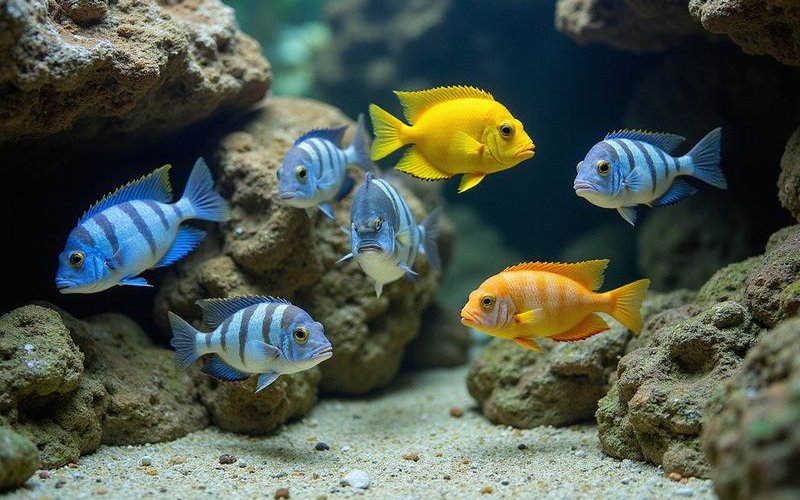
African cichlids are among the most colorful freshwater fish available, often rivaling saltwater fish in their brilliant hues. They have specific needs that differ significantly from typical community fish. We specialize in configuring high-performance aquariums, and we know exactly how to create the perfect environment for these stunning animals.
Why African Cichlids Are Different
African cichlids originate from the Great Rift Lakes of Africa: Lake Malawi, Lake Tanganyika, and Lake Victoria. These lakes possess a unique water chemistry that you must replicate for long-term success.
- Hard, alkaline water (pH 7.8-8.6)
- Mineral-rich content (high magnesium and calcium)
- Rocky environments with minimal plant life
Most tropical fish prefer soft, acidic water, which makes cichlids the complete opposite in terms of care. We always tell clients that understanding this chemical difference is the single most important factor in preventing disease.
Tank Size Requirements
Cichlids require more space than typical community fish due to their aggressive territorial nature. More space equates to fewer fights and healthier fish.
The 4-Foot Minimum
We recommend a tank with a footprint of at least 48 inches in length for most setups. A standard 55-gallon tank is the absolute minimum entry point for Mbuna (rock-dwellers).
Recommended Sizes:
- Mbuna: 55+ gallons (4-foot length is critical)
- Peacocks and Haps: 75+ gallons (the extra 6 inches of depth in a 75-gallon tank makes a massive difference)
- Tanganyikan species: Varies heavily by species, from small shell-dwellers to massive Frontosa
Bigger is always better when dealing with territorial fish. A 75-gallon tank is often the “sweet spot” for home keepers because it offers enough floor space for territories while remaining manageable for maintenance.
Water Parameters
Getting the water chemistry right is non-negotiable. You can use this chart as your baseline target.
| Parameter | Ideal Range | Why It Matters |
|---|---|---|
| pH | 7.8 - 8.6 | Low pH weakens their immune system |
| Temperature | 76°F - 82°F | Simulates their tropical home |
| GH (Hardness) | 10 - 20 dGH | Essential for osmoregulation and health |
| KH (Alkalinity) | 10 - 15 dKH | Buffers the pH to keep it stable |
How to Achieve These Numbers
We rely on specific products and methods to lock these parameters in:
- Substrate: Use crushed coral or aragonite, which naturally raises pH.
- Rocks: Add Texas Holey Rock or limestone to leach beneficial minerals into the water.
- Additives: Use products like Seachem Cichlid Lake Salt or Seachem Malawi/Victoria Buffer if your tap water is too soft.
- Avoid: Driftwood, as the tannins it releases will lower your pH over time.
Don’t fight your local water chemistry if you can avoid it. If your tap water is naturally soft and acidic, you will need to be diligent about buffering to keep these fish thriving.
Substrate and Rockwork
Choosing the Right Substrate
Cichlids are constant diggers that will rearrange your tank daily. You need a substrate that supports this behavior while helping your water chemistry.
- Aragonite Sand: This is our top choice because it buffers pH and is safe for sifting.
- Crushed Coral: An excellent buffer with a coarser look, though sometimes harder to clean than sand.
- Pool Filter Sand: A fantastic budget option that looks natural but offers zero buffering capacity.
Avoid planted tank substrates like formulations designed for low pH, as they will actively work against your water chemistry goals.
Building Safe Rockwork
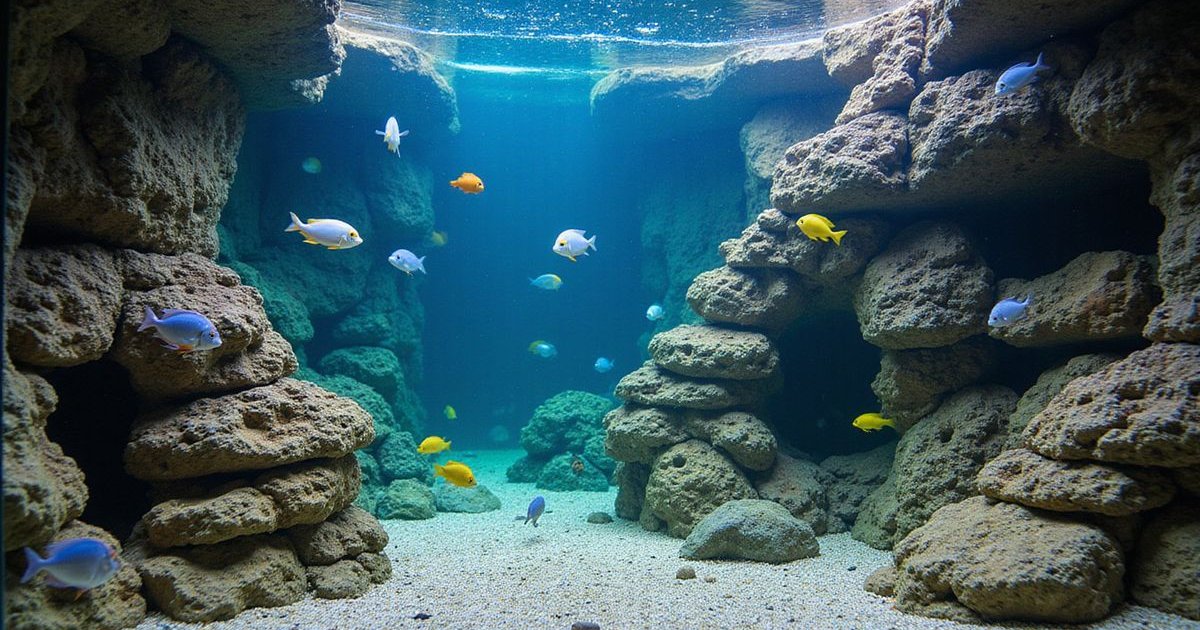
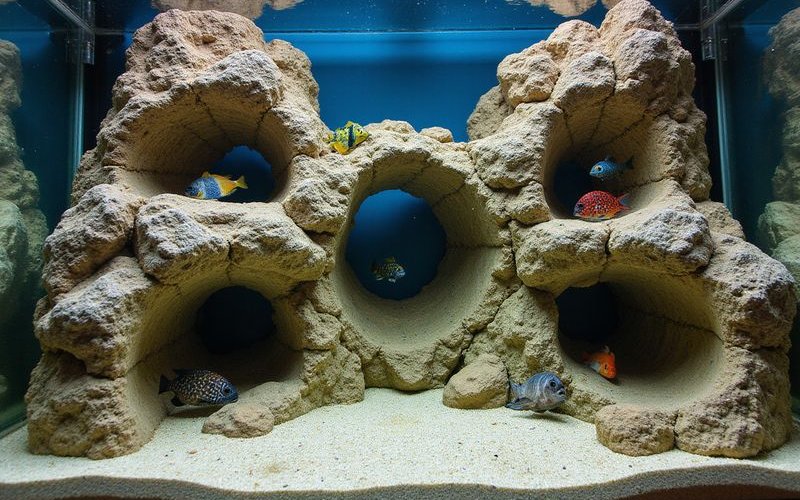
This is where cichlid tanks become visually spectacular. You want to create a network of caves, sight breaks, and distinct territories.
- Create Visual Barriers: Break the line of sight so a chased fish can disappear from the aggressor’s view.
- Secure the Foundation: Place your base rocks directly on the glass (or on a plastic egg crate light diffuser) before adding sand.
- Use Limestone: Rocks like Texas Holey Rock are not only beautiful but chemically functional.
Cichlids will undermine rock piles by digging the sand out from under them. We have seen tanks crack from falling rocks, so ensuring a stable foundation is a safety priority.
Filtration
Cichlids are messy eaters that produce a significant bio-load. You need robust filtration to process the waste and keep the water crystal clear.
The “10x Turnover” Rule
We aim for a filtration turnover rate of 8 to 10 times the tank volume per hour. For a 55-gallon tank, your filter should be rated for at least 440-550 gallons per hour (GPH).
Top Filtration Choices:
- Canister Filters: Units like the Fluval FX6 or Eheim Classic series are industry standards for tanks over 75 gallons.
- Hang-On-Back (HOB): Two large HOB filters (like the AquaClear 110) can work well for 55-gallon setups.
- Sponge Filters: These are excellent additions for biological backup and aeration but should not be your primary filter.
Don’t skimp on this equipment. High-quality filtration is the difference between a pristine display and a tank plagued by algae and stress.
Stocking Your Tank
The Overcrowding Paradox
Cichlid tanks operate on a counterintuitive principle: they work better when slightly overstocked. Controlled overcrowding achieves three specific goals:
- Diffuses Aggression: No single fish becomes the target of constant bullying.
- Disrupts Territories: It becomes harder for one male to claim half the tank.
- Establishes Hierarchy: A pecking order forms more quickly.
This strategy only works if your filtration is powerful enough to handle the extra waste. We recommend increasing your water change schedule to match the higher bioload.
Compatible Species Groups
Mbuna (Rock-Dwellers):
- Yellow Labs (Electric Yellow)
- Rusty Cichlids
- Pseudotropheus Acei
- Demasoni (only for experienced keepers)
Peacocks and Haps (Open Water):
- Aulonocara (Peacocks)
- Copadichromis (Azureus)
- Protomelas (Red Empress)
Combinations to Avoid:
- Mbuna with Peacocks: The aggressive Mbuna often stress the more peaceful Peacocks.
- Lake Mixing: Lake Malawi fish generally do not mix well with Lake Tanganyika species due to dietary and behavioral differences.
- Community Fish: Tetras and guppies will become expensive snacks.
Male to Female Ratios
Keep 1 male to every 3-4 females of each species. Having multiple males of the same species usually results in the dominant male killing the sub-dominant one unless the tank is very large.
Feeding
Cichlids are enthusiastic eaters that will beg for food even when full. Most African cichlids (especially Mbuna) are primarily herbivorous grazers.
Recommended Diet:
- High-Quality Pellets: Brands like NorthFin Cichlid Formula or New Life Spectrum offer excellent nutrition.
- Vegetable Matter: Spirulina flakes and algae wafers are essential.
- Fresh Greens: Blanched zucchini or peas can be offered as treats.
Foods to Avoid:
- Bloodworms: These can cause digestive blockages in Mbuna.
- Beef Heart: Mammal proteins are too fatty and difficult for them to digest.
- Tubifex Worms: Often carry pathogens and are too rich.
Feed small amounts 2-3 times daily, ensuring all food is consumed within 60 seconds. We suggest fasting your tank one day a week to allow their digestive systems to clear.
Common Problems and Solutions
Malawi Bloat
This is a common and often fatal condition usually caused by stress or an improper high-protein diet.
- Symptoms: Swollen abdomen, loss of appetite, rapid breathing, and white stringy feces.
- Treatment: Isolate the fish immediately and treat with Metronidazole or a specialized product like Clout if available.
- Prevention: Stick to a high-fiber, veggie-based diet and maintain pristine water quality.
Aggression and Torn Fins
Some aggression is normal, but constant harassment leads to death.
- The “Timeout” Method: Remove the bully and place them in a hospital tank or a breeding box for a few days.
- Rescaping: Move the rocks around during a water change to erase existing territorial boundaries.
- The “Add More” Strategy: If aggression is focused on one fish, adding more females can sometimes spread the attention.
Glass Surfing
Fish swimming frantically up and down the glass usually indicates stress or poor water quality. Test your water immediately for ammonia or nitrite spikes if you see this behavior across the whole tank.
Maintenance Schedule
Cichlid tanks rely on stability and clean water. We follow this strict maintenance routine to keep our client tanks looking their best.
Weekly Tasks:
- Perform a 50% water change (essential for overstocked tanks).
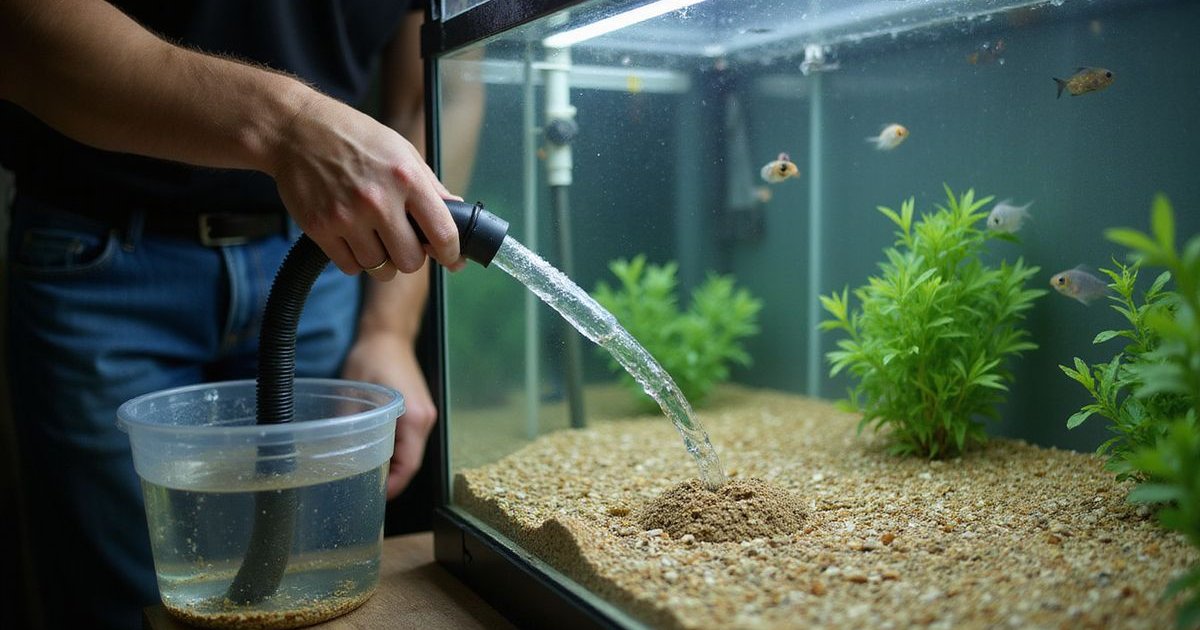
- Vacuum the substrate to remove waste from the sand bed.
- Test pH, Ammonia, Nitrite, and Nitrate levels.
- Wipe down the inside glass to remove algae.
Monthly Tasks:
- Rinse filter sponges in old tank water (never tap water).
- Check the impeller on your filter for sand or debris.
- Inspect heater and other equipment for damage.
Getting Started
Ready to try cichlids? We have outlined a suggested roadmap to get you from an empty glass box to a thriving ecosystem:
- Purchase a 55+ gallon tank: Remember that footprint matters more than height.
- Cycle the tank first: Use a fishless cycle method with ammonia to build up bacteria before adding any livestock.
- Install hardscape securely: Place your rocks on the glass bottom before adding your aragonite sand.
- Select hardy species: Start with forgiving fish like Yellow Labs or Rusty Cichlids.
- Add fish in groups: Introduce 6+ juveniles at once to minimize immediate territorial aggression.
Stop by Gulf Coast Aquatics to see our cichlid selection. We can help you choose compatible species and get you set up for success. These fish are challenging but incredibly rewarding once you understand their needs.
Tags
Gulf Coast Aquatics
Your local aquarium experts in Sarasota. We're real fishkeepers sharing what we've learned from years of experience keeping freshwater and saltwater tanks.