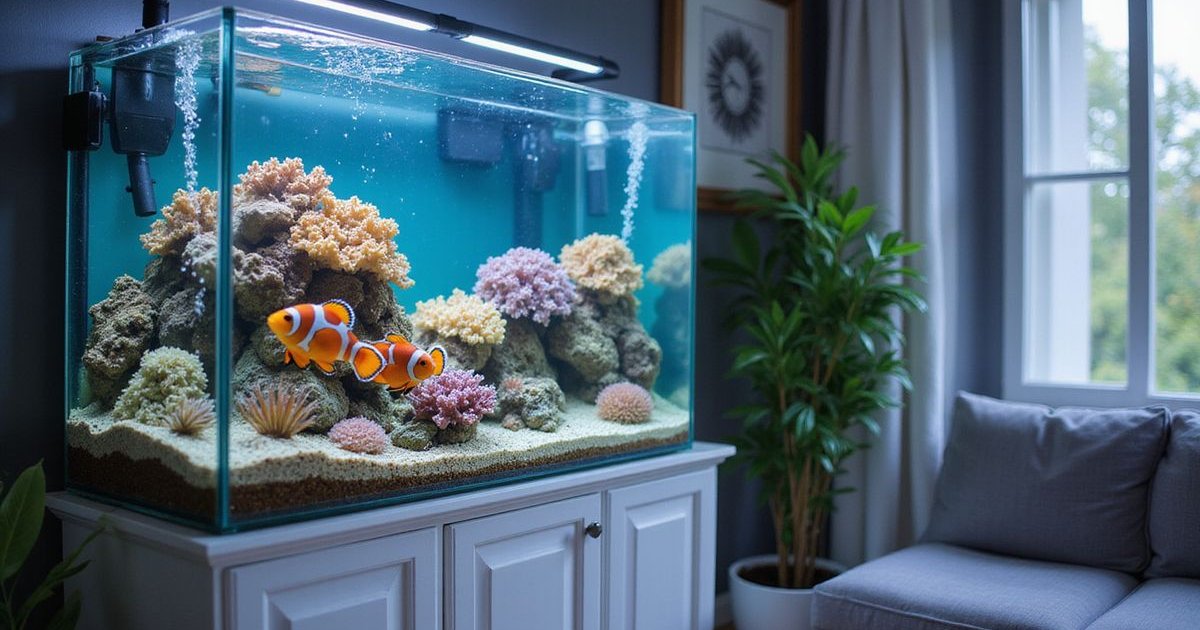
“I’d love to do saltwater, but it’s too hard.”
We hear this phrase constantly from customers walking through our doors. While a marine environment certainly demands more precision than a standard freshwater setup, the gap in difficulty has narrowed significantly. Modern technology and a better understanding of biology have made reef keeping accessible to almost anyone willing to learn.
Let’s look at the data, what the commitment actually entails, and then explore a few practical ways to start successfully.
The Old Days vs. Now
Twenty years ago, keeping a saltwater aquarium was genuinely difficult. Equipment was inefficient, water chemistry was poorly understood, and livestock was often collected using harmful methods like cyanide fishing. Success rates were low, and frustration was high.
Today, the industry looks completely different.
- LED Lighting: High-end fixtures like the AI Prime or EcoTech Radion offer precise spectrum control via smartphone apps, eliminating the guesswork of bulb combinations.
- Filtration Technology: Modern protein skimmers and roller mats automate the removal of waste before it breaks down.
- Biological Aids: Products like Dr. Tim’s One and Only allow us to cycle tanks reliably using specific bacterial strains rather than hoping for the best.
- Captive-Bred Livestock: Companies like Biota and ORA now breed species that were once wild-caught only, resulting in fish that are hardier and accustomed to aquarium life.
- Online Support: Communities and forums provide instant feedback on water parameters and troubleshooting.
If you can follow a recipe and stick to a schedule, you can keep a thriving saltwater tank.
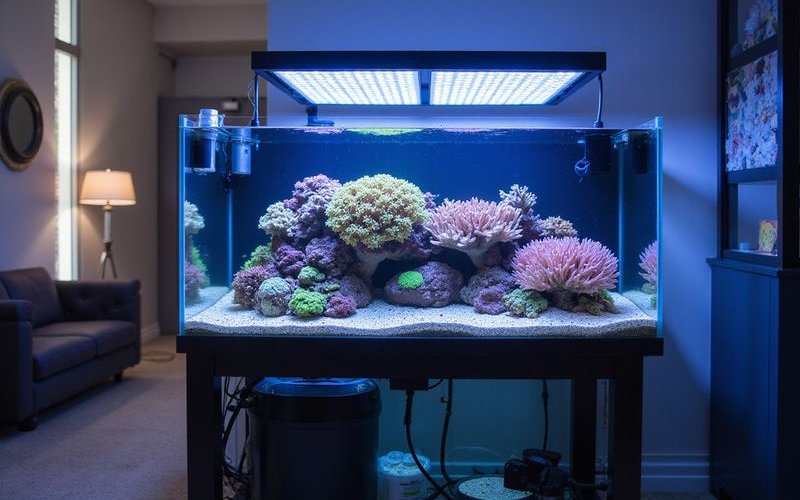
What Saltwater Actually Requires
We believe in total transparency regarding the commitment involved. You are essentially maintaining a life-support system for animals that evolved in arguably the most stable environment on Earth.
Essential Equipment Upgrades
You will need everything a freshwater tank requires, plus specific tools to manage marine chemistry.
- Protein Skimmer: This device uses foam fractionation to remove organic waste. Think of it as a specialized filter that pulls “gunk” out of the water column.
- High-Flow Powerheads: The ocean rarely sits still. Your tank needs turnover rates of 20-50 times the tank volume per hour to keep waste suspended and corals oxygenated.
- Refractometer: Forget the plastic swing-arm hydrometers. A calibrated optical refractometer or digital tester (like the Hanna Salinity Checker) is non-negotiable for accurate salinity readings.
- Auto Top-Off (ATO) System: Saltwater evaporates, but salt stays behind. An ATO automatically adds fresh water to keep salinity stable, which is the single most effective stability upgrade you can buy.
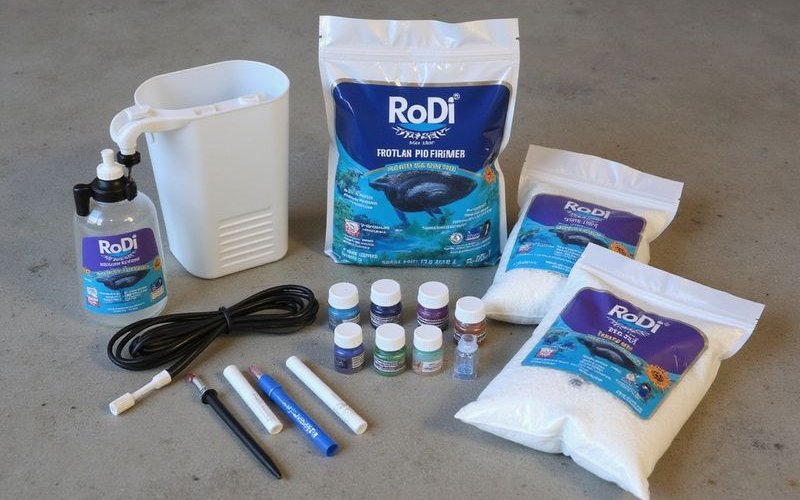
- RODI Unit: Tap water often contains silicates and phosphates that fuel algae. A Reverse Osmosis Deionization unit filters your source water to 0 TDS (Total Dissolved Solids).
Tighter Chemical Parameters
Saltwater fish and corals have biological processes that depend on specific ionic balances.
| Parameter | Recommended Range | Why It Matters |
|---|---|---|
| Salinity | 1.024 - 1.026 SG | Osmotic regulation for fish and corals. |
| Temperature | 77°F - 79°F | Stability is key; swings cause stress and disease. |
| Alkalinity (dKH) | 8.0 - 12.0 dKH | Crucial for coral skeletal growth and pH stability. |
| pH | 8.1 - 8.4 | Low pH inhibits calcification and stresses livestock. |
| Nitrate | 5 - 10 ppm | Too high feeds algae; too low starves corals. |
This isn’t necessarily harder, but it requires consistent testing. We recommend testing Alkalinity weekly and other major parameters bi-weekly once the tank is established.
Strategic Planning
Impulse buying is the enemy of a successful reef tank. You must research compatibility, maximum size, and dietary needs before purchasing. A Six-Line Wrasse might look small and cute at the store, but it can become a terror in a peaceful community tank.
The Financial Reality
Saltwater aquariums are an investment. Equipment costs are generally 3-4 times higher than freshwater equivalents due to the need for corrosion-resistant materials and higher precision.
Estimated Costs for a 40-Gallon Breeder Setup (2025 Market Rates):
| Item Category | Estimated Cost | Notes |
|---|---|---|
| Tank & Stand | $400 - $800 | Drilled tanks with sumps cost more but offer better stability. |
| Lighting | $250 - $500 | Reef-capable LEDs are essential for coral growth. |
| Filtration & Flow | $300 - $600 | Skimmer, return pump, and wavemakers. |
| Rock & Sand | $150 - $250 | Dry rock is pest-free and the modern standard. |
| Testing & Salt | $150 - $200 | Refractometer, test kits, and high-quality salt mix. |
| Total Initial Cost | $1,250 - $2,350 | Does not include livestock or water costs. |
Electricity usage will also increase. Expect to run multiple pumps and heaters 24/7.
Common Myths Debunked
Myth: “You need years of freshwater experience first”
Reality: Freshwater skills do not always translate directly to reef keeping. In fact, we often see “freshwater habits” cause issues, such as cleaning filters too aggressively or using tap water. A complete novice who follows modern reefing guidelines often outperforms a freshwater veteran who refuses to adapt.
Myth: “Saltwater tanks crash constantly”
Reality: Tanks rarely crash without a specific cause. Most “crashes” are actually slow-motion declines caused by neglected maintenance or equipment failure. A system with an ATO and a battery backup for the return pump is incredibly resilient.
Myth: “You need to test water daily”
Reality: Daily testing leads to “chasing numbers,” which causes more harm than good. Once your tank cycles, testing weekly is sufficient. Experienced hobbyists often test heavily only when they notice a change in coral appearance.
Myth: “Fish-only saltwater is just as hard as reef”
Reality: FOWLR (Fish Only With Live Rock) systems are the perfect entry point. You get the color and movement of marine fish without the chemical demands of stony corals. Lighting requirements are minimal, and water quality parameters are much more forgiving.
Myth: “You need a huge tank”
Reality: While larger water volumes dilute mistakes, the “Nano Reef” revolution has changed the rules. All-in-One (AIO) tanks from brands like Waterbox or Innovative Marine make 20-gallon systems very manageable. We suggest a 30-40 gallon tank as the “sweet spot” regarding cost, stability, and maintenance.
The Honest Learning Curve
Here is the realistic timeline most beginners experience during their first year.
Month 1-2: The “Ugly Stage”
- The Process: You set up the gear, cycle the tank, and likely encounter brown diatoms covering your sand and rocks.
- The Challenge: This is where many quit. The tank looks dirty, but this is a natural biological progression.
- The Action: Verify your cycle is complete, add a cleanup crew (snails/crabs), and wait it out.
Month 3-4: Introduction & Stability
- The Process: You add your first hardy fish and establish a feeding routine.
- The Challenge: Keeping nutrients (Nitrate/Phosphate) balanced.
- The Action: Start weekly water changes of 10-15%. Test parameters to establish a baseline consumption rate.
Month 5-6: Coralline Algae & Confidence
- The Process: Pink and purple coralline algae begin to grow on rocks, signaling a mature environment.
- The Challenge: resisting the urge to overstock the tank.
- The Action: Add your first soft corals if desired.
Beyond: The Payoff
- The Result: The tank runs on a rhythm. Fish display natural behaviors, and the ecosystem balances itself.
- The Feeling: You realize the maintenance is just part of your weekly routine, like mowing the lawn or doing laundry.
Best Starter Fish for Saltwater
We recommend starting with captive-bred species whenever possible for better health and sustainability.
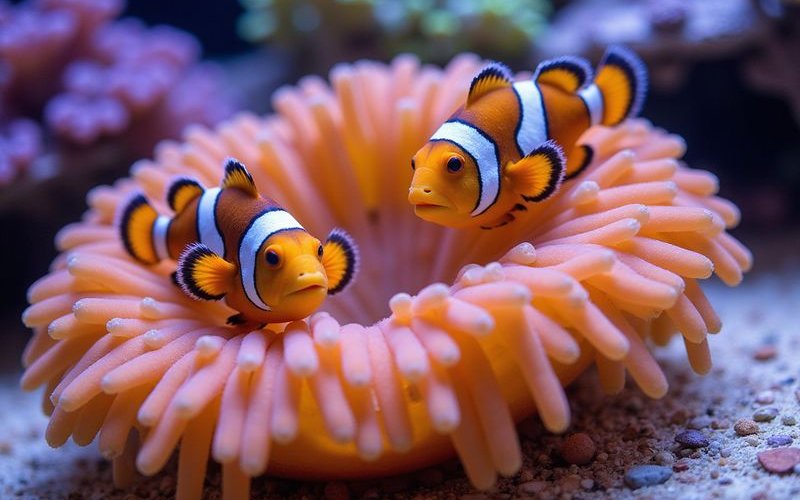
- Ocellaris Clownfish: The most iconic marine fish. They are hardy, eat anything, and captive-bred options are widely available.
- Royal Gramma: A stunning purple and yellow basslet. They are peaceful, reef-safe, and stay relatively small.
- Firefish Goby: These provide a unique shape and hovering behavior. A tight-fitting lid is required, as they are known jumpers.
- Watchman Goby & Pistol Shrimp Pair: A fascinating symbiotic relationship to watch. The shrimp builds the home while the goby stands guard.
- Banggai Cardinalfish: Peaceful, slow-moving fish that have a unique, prehistoric look.
Species to Avoid Initially:
- Tangs: Most require large tanks (100g+) and are prone to skin parasites like Ich.
- Mandarin Dragonets: They require a mature pod population for food and will starve in a new tank.
- Anthias: These require multiple feedings per day and have high metabolic rates.
Beginner Corals (If You Want to Try)
You do not need corals to have a beautiful saltwater tank. If you do choose to add them, stick to “Soft Corals” for the first year.
Top Recommendations:
- Zoanthids: These come in endless color variations and form beautiful carpets over rocks.
- Green Star Polyps (GSP): A distinct neon green grass-like coral. Isolate this on its own rock island, as it grows very fast.
- Mushroom Corals (Discosoma): Extremely tolerant of lower light and higher nutrients.
- Leather Corals (Sarcophyton): Large, showy corals that add motion to the tank.
Wait on “Stony” corals (LPS and SPS) until you have maintained stable Alkalinity for at least three months.
Our Honest Recommendation
Success in this hobby is 80% patience and 20% equipment.
If you:
- Enjoy the technical aspect of gear and chemistry.
- Can commit 30-60 minutes weekly for maintenance.
- Have the budget to buy reliable equipment upfront.
- Are willing to wait 4-6 weeks before adding your first fish.
Then you are absolutely ready for a saltwater aquarium.
If you:
- Need a tank that looks perfect instantly.
- Travel frequently without a tank sitter.
- Are on a strict “shoestring” budget.
- Expect to skip maintenance for weeks at a time.
Then a high-tech planted freshwater tank might be a better avenue for now.
Ready to Take the Plunge?
We invite you to stop by our saltwater room to see these systems in action. Viewing the equipment and livestock in person often clarifies the process better than any article can. Our team is here to help you build a system that matches your lifestyle, budget, and goals.
The ocean in your living room is achievable. It simply requires a plan, some patience, and the right guidance to get started.
Tags
Gulf Coast Aquatics
Your local aquarium experts in Sarasota. We're real fishkeepers sharing what we've learned from years of experience keeping freshwater and saltwater tanks.